Residential Fire Tactical Decision Game
This residential fire tactical decision game (TDG) places company officers in the role of IC #1 at a working residential fire in Arnold, Pennsylvania. The incident involves closely spaced homes, strong wind, visible fire, electrical hazards, and limited initial resources.
However, the first-arriving officer must do more than identify a working fire. IC #1 must determine whether conditions support an offensive or defensive strategy. Then, the officer must select tactics that match the fire, staffing, hazards, and expected company capabilities.
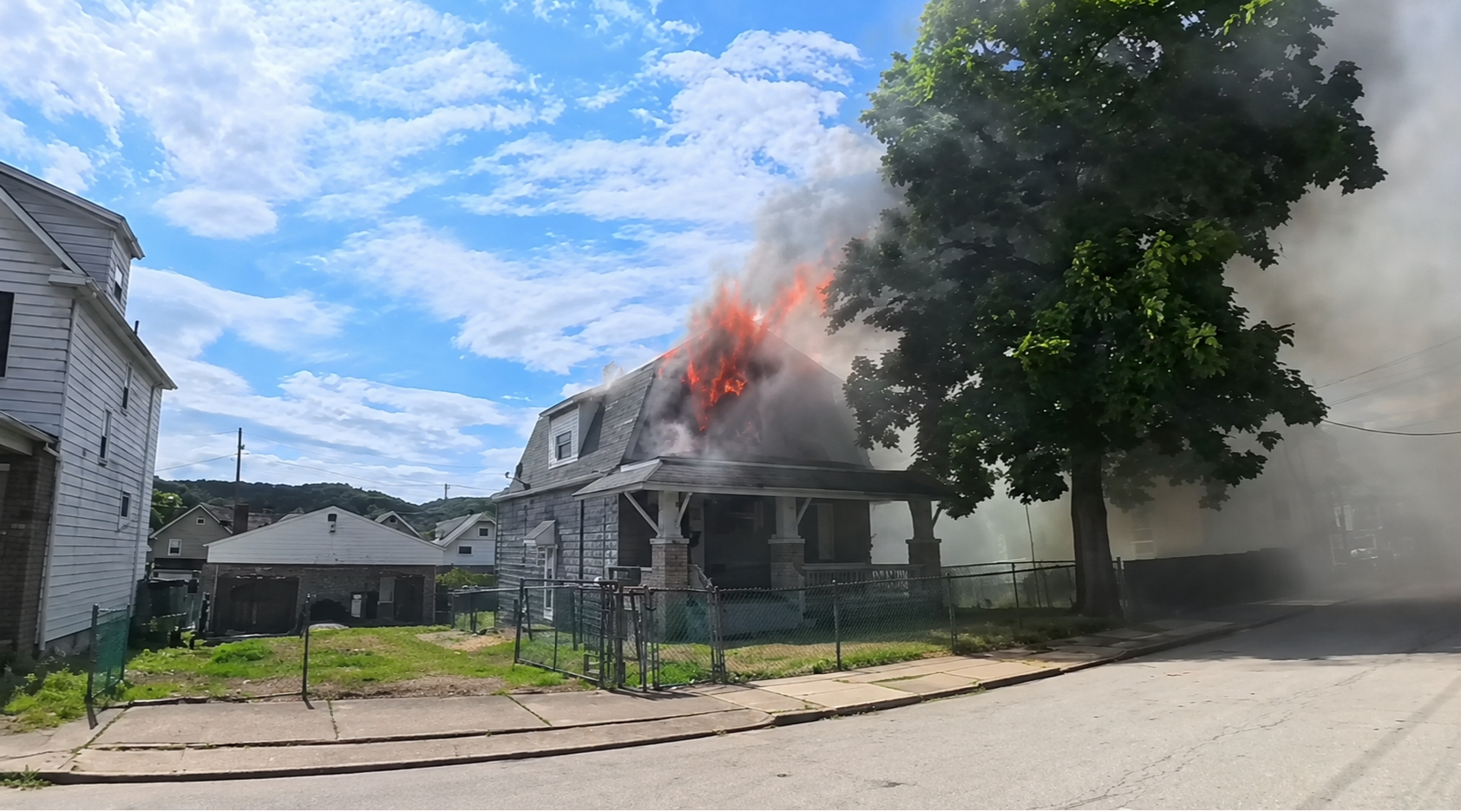
Early decisions matter because the first-arriving engine sets the operational tempo. In addition, recognizing electrical hazards, building construction, fire behavior, and resource capability impact strategic and tactical decisions.
Decision Focus
This residential fire TDG focuses on the first-arriving company officer’s strategy and initial tactical assignments. IC #1 must interpret dispatch information, wind, visible fire conditions, building layout, staffing, and recognize potential hazards.
Then, the officer must communicate the initial radio report and assign their crew, Ladder 1, and Engine 2. The decision problem includes line size, flow rate, water supply, exterior or interior water application, interior fire control, search, electrical hazard control, and resource determination.
Incident Video
The linked incident video shows the first several minutes of operations at the residential fire. Watch the video and evaluate the first-arriving engine company’s actions after completing the initial TDG questions.
Because the video comes from an actual incident, it may not provide complete operational context. Use it to examine fire behavior, wind influence, tactical capability, and the relationship between assignments and actions.
Important Lessons
This residential fire TDG reinforces how staffing, deployment, and task capability shape tactical options. Strong wind, exterior fire, possible extension, and an electrical hazard create competing priorities.
In addition, the drill emphasizes the difference between strategic direction and tactical execution. Assignments must clearly support either an offensive or defensive strategy. The Additional Learning segment extends the drill by examining volunteer fire department challenges and company-level opportunities to improve performance.
What Does Good Look Like
Effective IC #1 performance begins with a clear size-up and strategy. The officer identifies critical hazards, communicates conditions, and assigns companies according to priority and capability.
Good performance also includes adaptation. IC #1 changes the resource determination when conditions warrant, tracks tactical progress, and prepares a concise CAN report before command transfer.
Learn more about how to use 10-Minute Training and find additional tactical decision games in the 10-Minute Training Library.