Residential Fire Tactical Decision Game
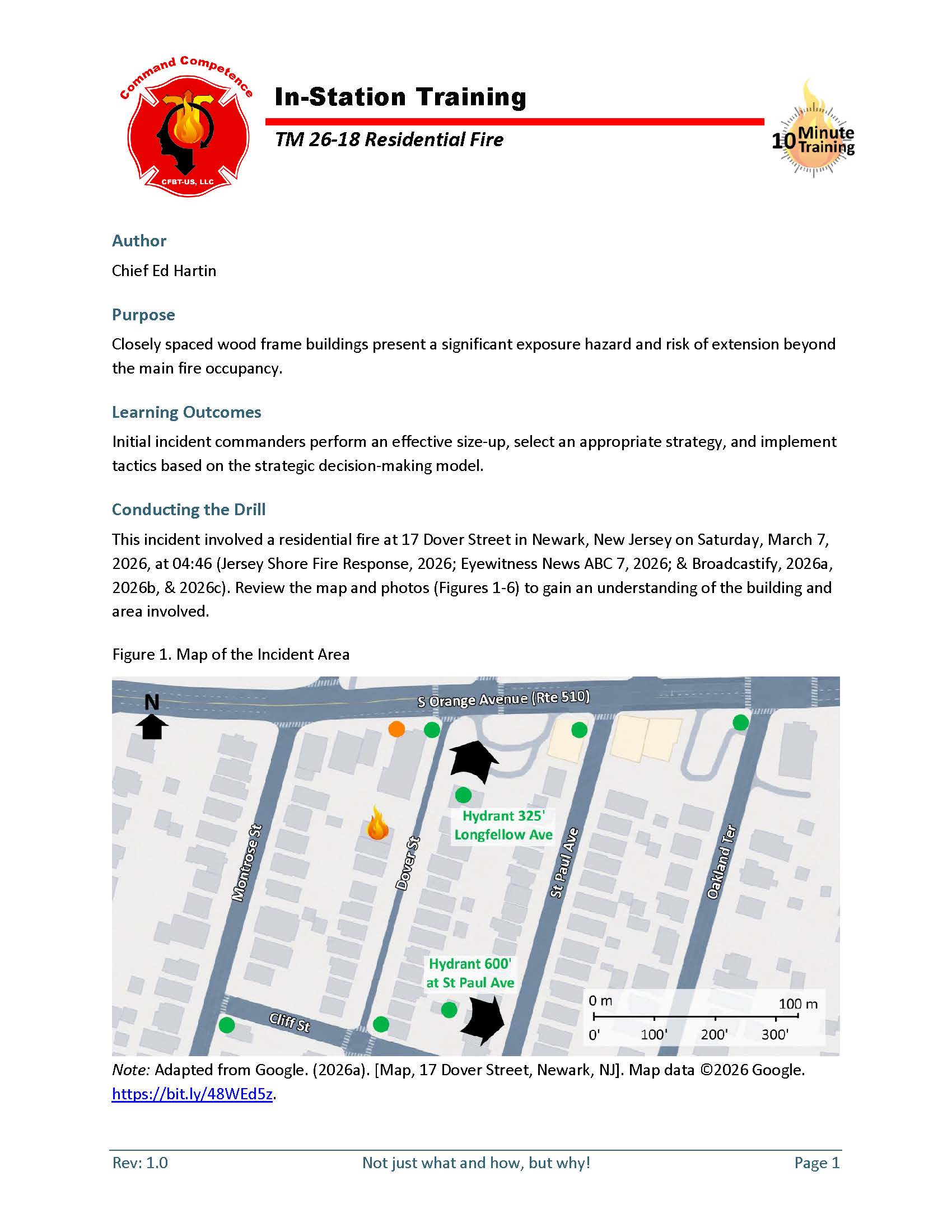
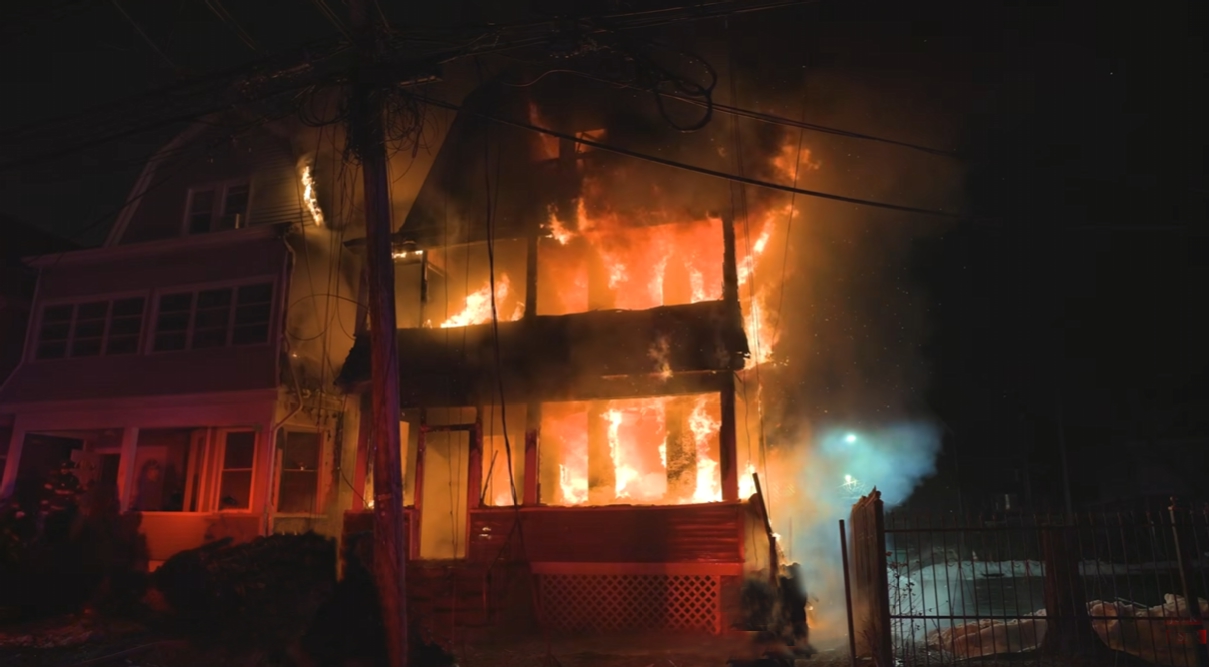
This residential fire tactical decision game (TDG) is designed for IC #1 / company officers arriving first at a multi-family dwelling with reported trapped occupants. The incident involves a 2-1/2 story wood-frame residential building. Before arrival, fire has extended to the Bravo 1 Exposure. On arrival, the officer must read severe fire conditions, exposure risk, occupant reports, and available resources.
First-arriving decisions matter because early strategy, line placement, search priorities, and exposure protection shape incident tempo.
Decision Focus
The core decision problem is how the first-arriving officer can support rescue, control fire, and protect exposures. Dispatch reports people trapped on the first and third floors, but searchable space remains uncertain. Fire conditions involve the Main Fire Occupancy and Bravo 1 Exposure. The Residential Fire TDG asks the officer to choose an offensive or defensive strategy, match tactics to conditions, assign the ladder and second engine, and prepare a clear transfer of command CAN report.
Incident Video
Watch the incident video, pause when prompted, and decide what you would do as IC #1. Use the video to compare your expectations with the cues visible early in the incident.
Important Lessons
This residential fire TDG reinforces the need to connect occupant reports with visible fire conditions, construction features, and realistically searchable space. Closely spaced wood-frame buildings can quickly result in fire extension to exposures. Early recognition of extension to the Bravo 1 should impact water application, search priorities, and communications. Company officers must reframe when fire severity, or structural compromise, result in defensive fire conditions, necessitating a strategic shift from offense to defense.
The additional learning segment of this 10-Minute Training uses incident video and an audio recording of incident radio communications to examine multiple lessons that can be learned from this incident.
What Does Good Look Like
Effective IC #1 performance starts with a clear initial radio report and direct task orders. The officer identifies critical cues, protects the most threatened life hazard, and assigns crews based on priority and risk. Good performance is not perfect prediction. It is disciplined action, clear communication, and rapid adjustment when conditions change.
Learn more about how to use 10-Minute Training and find additional tactical decision games in the 10-Minute Training Library.