Wind-Driven Fire Tactical Decision Game
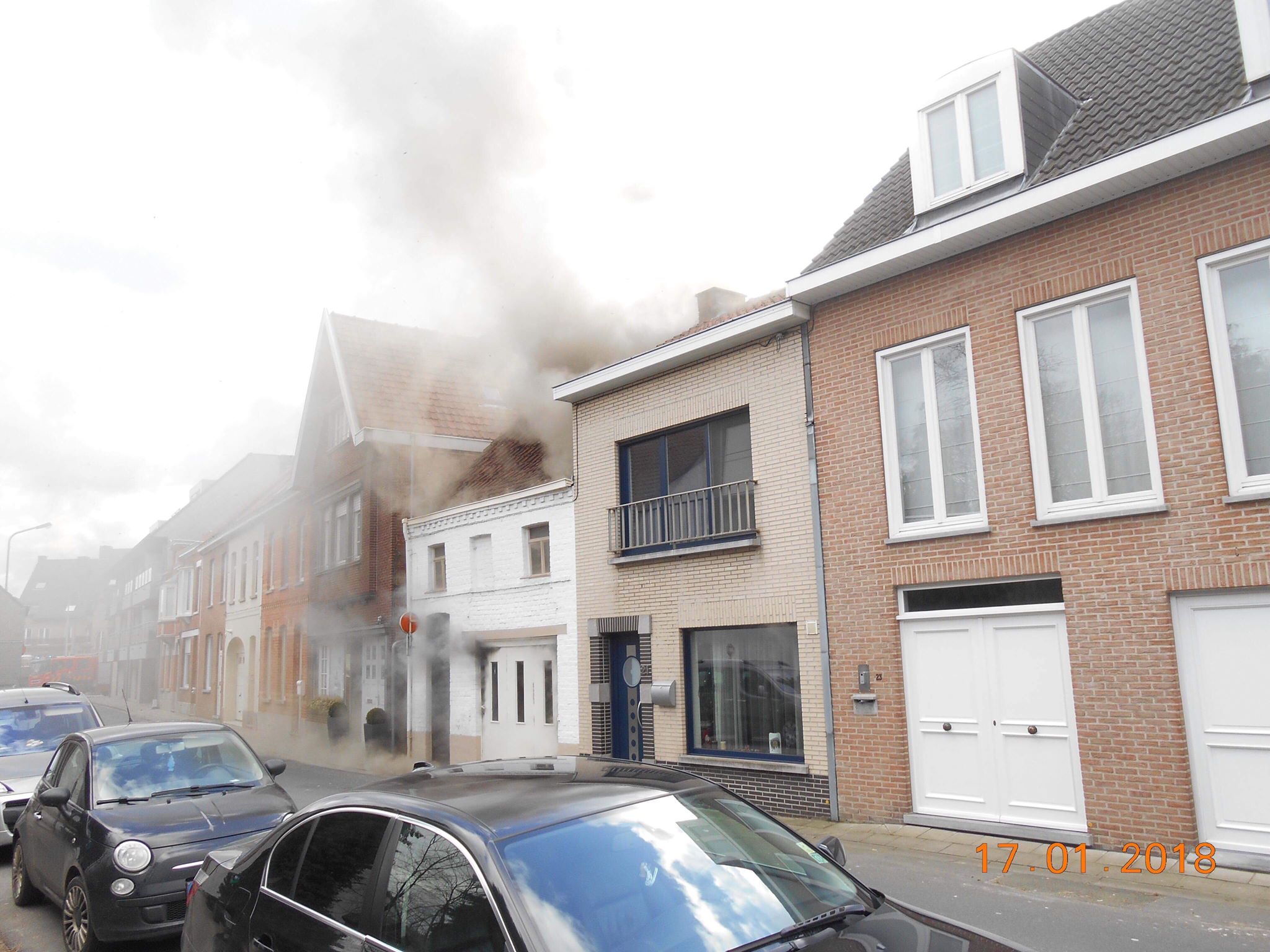
This wind-driven fire tactical decision game (TDG) places IC #1 / company officers at a residential fire in Waregem, Belgium. The first-arriving engine finds smoke showing from a small row house with attached exposures, limited staffing, and strong wind.
However, the first view does not tell the whole story. Wind, building layout, access, ventilation, and fire location all affect the initial strategy. Therefore, the company officer must decide how to control risk before committing the crew.
Early decisions matter because wind can rapidly worsen interior conditions. In addition, access challenges may hide important information until the officer completes a more complete size-up.
Decision Focus
This wind-driven fire TDG focuses on the first-arriving company officer’s strategy and tactical assignments. IC #1 must identify wind impact, evaluate access, manage door control, and assign limited resources.
Then, the officer must communicate a clear initial radio report and update conditions after reconnaissance. The key decision involves matching the attack plan to flow path, fire location, crew capability, and risk.
Incident Video
The incident video shows conditions after the first-arriving engine begins initial operations. Watch the video, pause when prompted, and decide what you would do as IC #1.
Before answering, study the map, street views, arrival photo, and Side Charlie image. Together, they support size-up of access, wind direction, exposures, fire location, and tactical options.
Important Lessons
This wind-driven fire TDG reinforces the need to connect wind conditions with visible fire behavior and building layout. Smoke, air track, heat, and flame indicators may change rapidly after a door opens.
In addition, the drill emphasizes disciplined door control, complete reconnaissance, and flexible strategy. Strong wind can turn an entry point into part of the exhaust flow path. The Additional Learning segment extends the drill through review of structural firefighting under wind conditions.
What Does Good Look Like
Effective IC #1 performance starts with recognition of wind as a critical factor. The officer gives a clear initial report, assigns the crew based on risk, and reassesses after gaining more information.
Good performance also includes adaptation. When conditions change, IC #1 updates the plan, communicates needs, and prepares for command transfer.
Learn more about how to use 10-Minute Training and find additional tactical decision games in the 10-Minute Training Library.