Fire dynamics is the science of how fire ignites, grows, spreads, and interacts with buildings, ventilation, and suppression actions. Command Competence provides fire dynamics training that helps fire service professionals apply research-based understanding of fire behavior to tactical decision-making and fireground operations.
This training emphasizes practical interpretation of conditions, anticipation of fire development, and operational implications for strategy, tactics, and risk management.
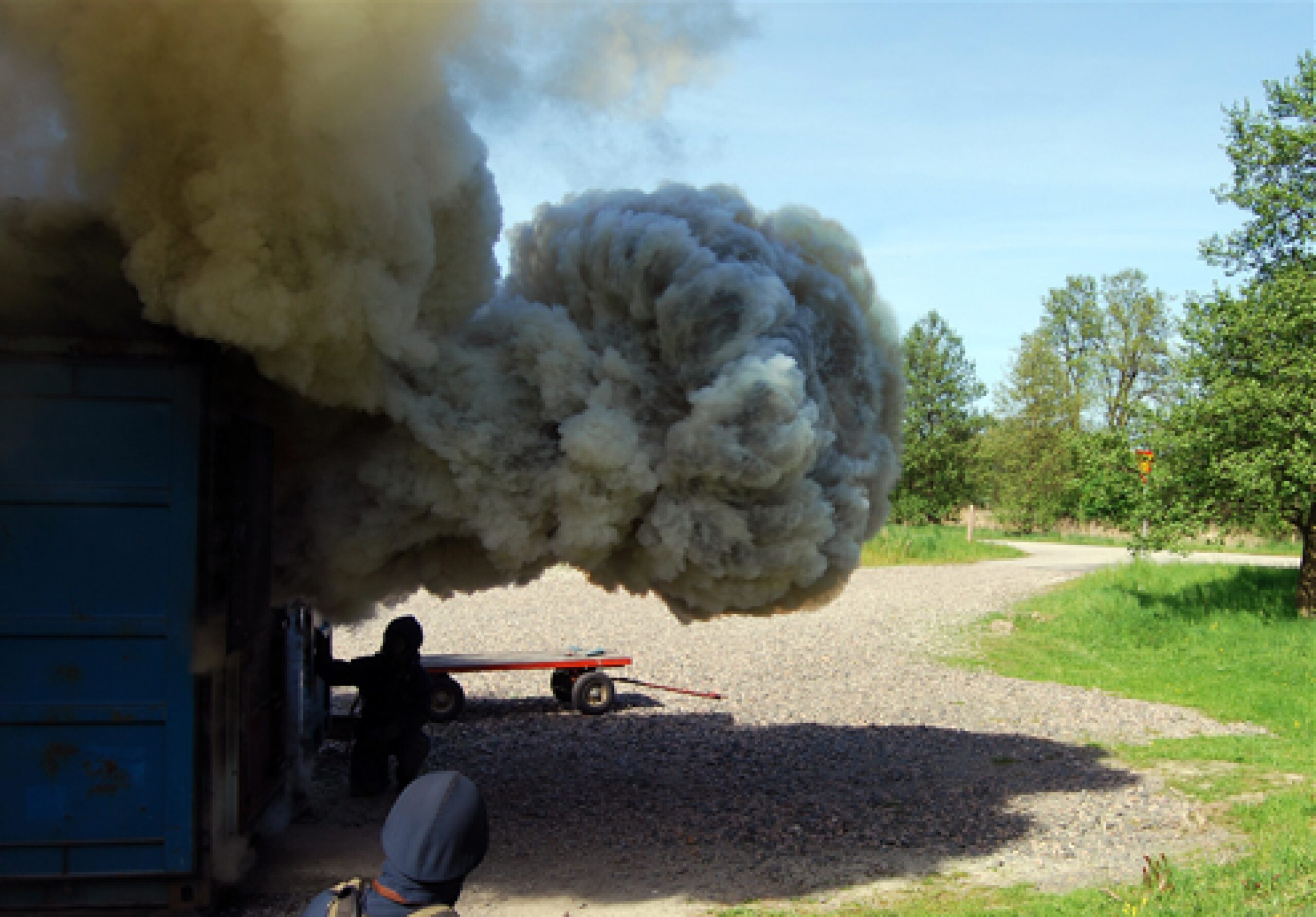
Why Fire Dynamics Matters
Safe and effective fireground operations depend on firefighters’ and fire officers’ ability to recognize how fire is behaving and how it is likely to change over time.
Modern structural fires are shaped by:
- Synthetic fuel loads
- Lightweight construction
- Compartment geometry
- Ventilation profile
- Flow paths
- Effect of suppression actions
Misinterpreting these factors can rapidly increase risk to firefighters and occupants.
Fire dynamics training strengthens the ability to:
- Identify meaningful cues on arrival and during operations
- Anticipate changes in fire behavior
- Understand the consequences of ventilation and suppression choices
- Integrate technical knowledge into tactical planning
- Support sound risk management and command decisions
What This Training Covers
Fire dynamics training focuses on building operational understanding of:
- Fire growth and heat release
- Compartment fire behavior
- Ventilation effects and flow paths
- Smoke movement and pressure differentials
- Flashover and rapid fire development
- Fuel characteristics and modern furnishings
- Water application and cooling effects
- Structural layout influences
- Firefighter safety implications
Instruction emphasizes how these elements appear on the fireground and how they should influence tactical priorities and command strategy.
Training Options
Command Competence delivers fire dynamics education in a variety of formats depending on organizational needs, experience level, and training objectives. These commonly include:
- Introductory fire dynamics instruction for firefighters and company officers
- Compartment fire behavior and ventilation effects
- Extreme fire behavior and rapid fire development hazards
- Interpreting fire behavior during size-up and ongoing operations
- Integrating fire dynamics into tactical decision-making
- Live-fire training as a learning laboratory
- Classroom-based, hybrid, and scenario-supported instruction
Training can be adapted for:
- Recruit programs
- In-service training
- Officer development
- Command training
- Instructor development
Who This Training Is For
Fire dynamics training is appropriate for:
- Firefighters
- Company officers
- Chief officers
- Training officers
- Fire instructors
- Safety officers
and others responsible for operational decision-making, supervision, or training system development.
Relationship to Other Services
Fire dynamics education is often integrated with:
Together, these services support a comprehensive approach to improving operational performance, command competence, and organizational learning.
Discuss Fire Dynamics Training for Your Organization
If you would like to explore fire dynamics training options for your department or organization, please get in touch to discuss objectives, delivery formats, and integration with existing training programs.