Strategy and tactics are the “what” and “how” of firefighting operations, but firefighters and fire officers also need to understand the “why.”
Firefighting strategy establishes the overall approach to managing an incident. Tactics translate that strategy into coordinated operations intended to accomplish incident objectives. Effective tactical decision making requires more than knowing what actions are available. Firefighters and officers must understand how fire dynamics, building construction, available resources, and operational actions interact.
In 1876, Sir Eyre Massey Shaw, the first chief of the London Fire Brigade, wrote that proficient firefighters must master a combination of theory and practice. That relationship remains fundamental to effective firefighting.
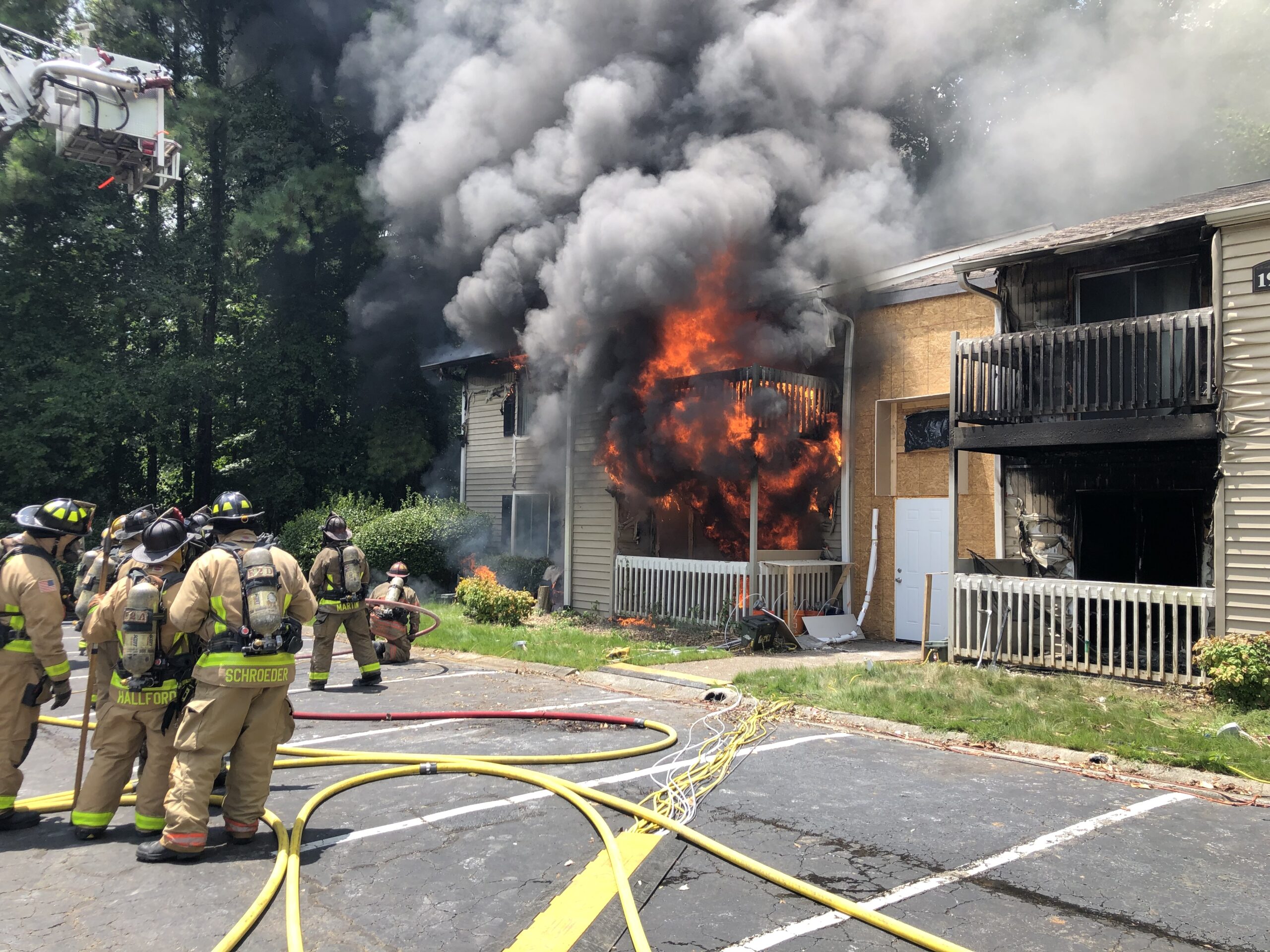
Theory and Practice
Over the last several decades, the National Institute of Standards and Technology (NIST) and Underwriters Laboratories Fire Safety Research Institute (UL FSRI) have conducted extensive fire service research. Much of this work examines the relationships among fire dynamics, building construction, and firefighting tactics. This research provides a scientific foundation for understanding how firefighting tactics can influence conditions affecting civilian occupants and firefighters, as well as the effectiveness of firefighting operations.
Understanding the research is only part of the challenge. Firefighters and officers must connect scientific principles with the conditions they encounter. They must then apply that understanding during dynamic incidents. Strategy and tactics training from Command Competence emphasizes this connection between theory and operational practice.
Training Options
Command Competence, CFBT-US, LLC offers strategy and tactics training designed to improve firefighters’ and fire officers’ understanding of firefighting operations and the principles that support effective tactical decision making.
Training can be adapted to department needs and may address:
- Fundamentals of Fire Control
- Attic and Basement Fires
- Water for Fire Control
- Effective Use of Exterior Streams
- Ventilation and Anti-Ventilation
Related Command Competence resources and services include:
- 10-Minute Training — short Tactical Decision Games and related learning activities designed to develop fireground decision-making competence
- Case Studies — examination of incidents and research with emphasis on operational application
- Simulation and Scenario Development — realistic scenarios for practicing decision making, command, and tactical application
Strategy and tactics training is intended to help firefighters and fire officers move beyond knowing what to do toward understanding why an action is appropriate, how it may influence incident conditions, and how tactical choices fit within the broader incident strategy.