Residential Fire Tactical Decision Game

This residential fire tactical decision game (TDG) places the first arriving company officer at a reported house fire in a suburban neighborhood in Bloomington, Indiana. Dispatch reports flames and smoke from the rear of a residence at 3436 South Westminster Way. While approaching from the north, your apparatus operator turns onto East Commons Drive after observing flames from the side of a nearby structure. Initial observations suggest the fire involves a residential structure with potential extension to an attached exposure. These cues require rapid size-up and clear communication to orient arriving companies.
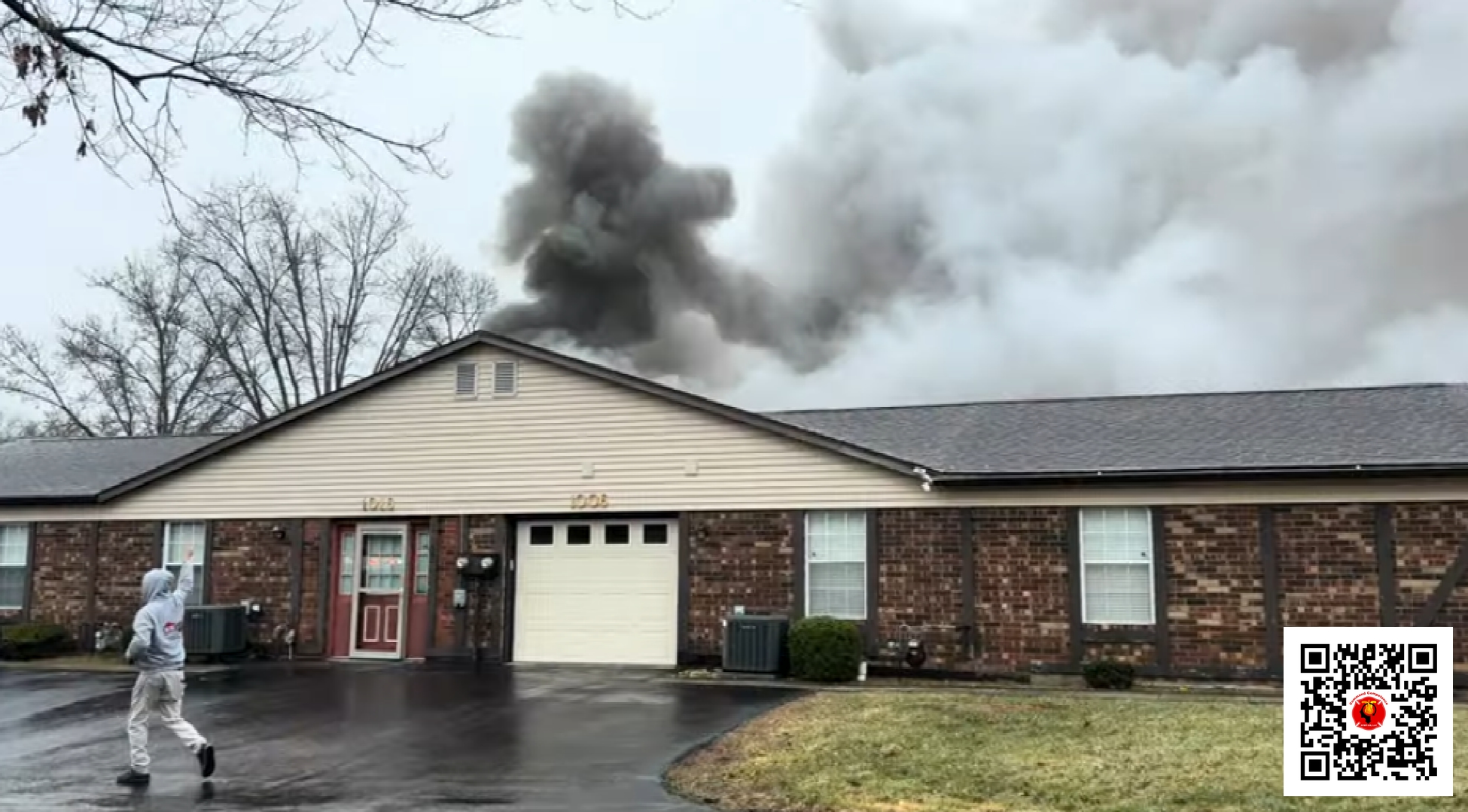
Key operational considerations for the first arriving company officer in this residential fire tactical decision game include:
-
Flames visible from the rear of the structure on arrival
-
Confusing road layout and building orientation
-
Potential involvement of an attached exposure
-
Uncertain building configuration on initial approach
-
Likelihood of occupants inside a residential structure
-
Coordination of arriving companies and resource assignments
Incident Video
This residential fire TDG includes incident video showing conditions during the approach and early arrival at the scene. Participants review the brief segment showing flames and smoke visible from East Commons Drive before reaching the reported address. These visual cues help officers recognize how street layout and building orientation can influence perception of the incident location. Observing the video supports recognition-primed decision making by allowing officers to interpret cues and adjust their initial frame of the incident.
Important Lessons
Residential incidents often involve incomplete or misleading information during response and arrival. In this incident, the first arriving engine positioned near an attached exposure rather than the address side of the main fire occupancy. This decision required clear communication about geographic designation and operational priorities. Crews also had to determine whether the structure was a duplex and whether fire extension threatened the attached unit. The residential fire tactical decision game includes an additional learning section reviewing geographic designations, exposure identification, and communication practices that support effective command and coordination.
Recognition-primed decision making allows officers to interpret cues such as visible fire location, building layout, and bystander information. However, these cues must be verified through rapid reconnaissance and communication. Clear geographic designation of building sides and exposures is essential for coordination among arriving companies. Effective command also requires anticipating extension potential and organizing search and fire attack operations.
Learn more about how to use 10-Minute Training and find additional tactical decision games in the 10-Minute Training Library.